RISE OF THE AFRICAN FEMALE ENTREPRENEUR
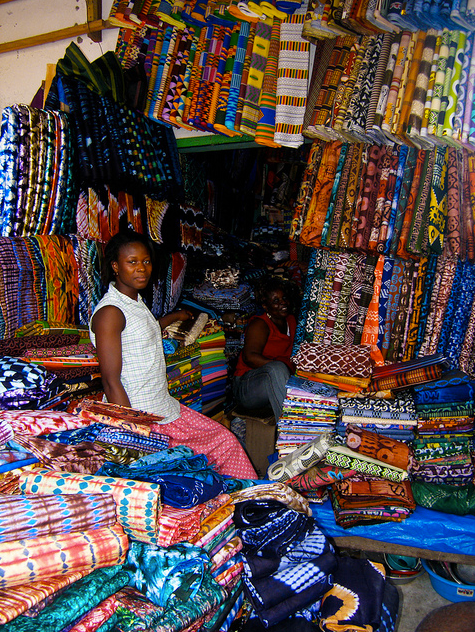
Guest Post by Barbara Birungi of Women in Technology Uganda and WITU
Original post written for and can be found at http://bfabafrica.com/
Kampala, Uganda: There certainly is a rise of female entrepreneurs in Africa in the last few decades, and statistics show that there are now more female-owned businesses on the continent, than male.
African women have moved away from the traditional belief that a man should be the sole provider, while the woman waits at home and looks after the children. This shift in cultural attitude, has been due finally to the education and understanding, that educating the girl child benefits the whole society.
Across Africa we are seeing a great increase of girls attending school, at least until secondary level. However, old attitudes and out-dated cultural thinking are often a hindrance for African women to embrace their entrepreneurial spirit. In Kampala, five years ago, I found the general thinking by many women, was it was better to find a job within a big corporation like MTN, E&Y or a government job, rather than start their own business. This is type of ideology is slowly vanishing, which is great news.
Even with the rise of the African female entrepreneur, many are still small scale traders, its only a few that have risen to a large scale practise, with many businesses seeing little or no growth over a number of years due to the challenges these women still face.
In Africa, anyone who sees a big manufacturing plant or fast growing business, the first assumption is to always think it belongs to a man. When it turns out to be a female-owned business, eyes still roll and eyebrows still rise – mostly by men. Some even say she was just lucky.
One of the biggest barriers African female entrepreneurs face; is easy access to finance. A few banks in Africa, have taken women business owners into consideration and tailored services suited for women borrowers. I believe many more are going to follow suit in the coming years. However, the current financial barrier, leaves many businesses crippled and unable to grow.
The other road block for African female entrepreneurs, is in them not embracing technology for business. This can save valuable processing costs in the chain, increase profitability, and create regional networks among other women business owners in different African countries.

In Uganda, female entrepreneurs can use their GSMA phone for Internet, many still believe that social media is just for young people to have fun, and not a vital tool that can enhance their business.
Luckily, the price of mobile phones have been reducing over the years, and we expect the trend to continue. I believe that manufacturers will begin to put focus on making the mobile phone experience more exciting for women and easy to use beyond voice and SMS.African women need to include more technology structures into their businesses. To encourage more African female entrepreneurs, we also require more African female role models for women and girls, in a variety of sectors.
We also need more female land-owners and a change in policy across the continent on property ownership in many African countries, which still forfeit a women’s right to her land should her husband die. This is last-century thinking.
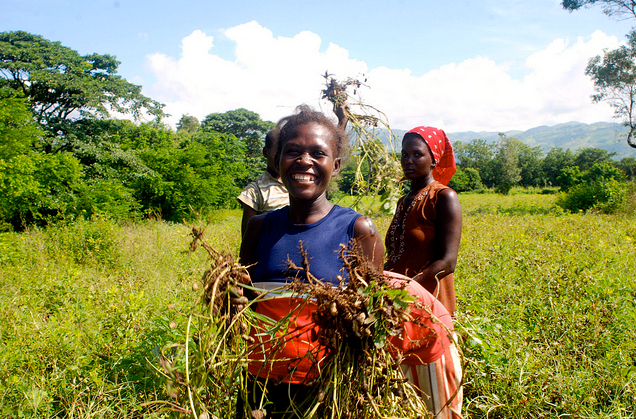
Women who are fortunate enough to own land, need to recognize that its value can also be used as security to guarantee a bank loan, the old notion that ‘what if I fail to pay, I’ll lose my land” – keeps many women tied into a short-sighted economic future. Luckily, progress has hit African in all areas including traditional beliefs; many women can now own land! This very land will act as security when she goes to access a loan from a bank to expand her business.
In Uganda, we have WOUGNET, WITU and UWONET, all seeking to increase the use of ICT by women. Business networks have now been created which will enhance collaboration across many sectors. This grows relationships amongst different businesses with similar goals in the region, and everyone benefits.
The more women embrace entrepreneurship, the more cultures, education and rights of women will improve – because women are natural teachers, they pass on what they know and usually work with relatives and family members, who learn the skill from them and become entrepreneurs themselves.
With success stories being showcased more and more in the news media, and other women beginning to embrace entrepreneurship, I believe in the next coming decades, we will have more women embracing entrepreneurship on a much larger scale across Africa, than running to employment in the formal sector.
Edited by Shaheera Asante
Comments are closed